Tight-street removals in EN3: Narrow terrace solutions
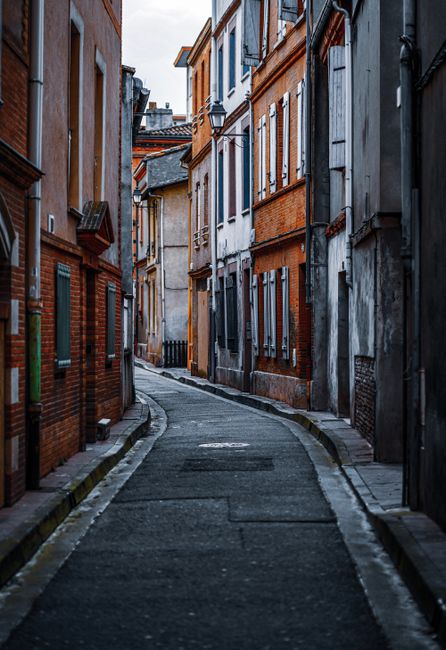
Moving from a narrow terrace in EN3 can feel a bit like trying to park a shopping trolley in a phone box. There are cars lined up, tight turning points, awkward front gardens, low branches, and usually one staircase that seems to have been designed by someone with a grudge. That is exactly why Tight-street removals in EN3: Narrow terrace solutions need more than muscle. They need planning, access know-how, the right vehicle size, and a calm, methodical approach.
This guide breaks down how tight-street moves actually work, what makes them tricky, and which solutions save time, stress, and damage. Whether you are leaving a compact terrace near Brimsdown, shifting furniture from a flat with limited frontage, or trying to coordinate parking on a road that barely fits one van and a prayer, you will find practical steps here.
For readers who want the broader moving picture too, it can help to look at stress-free home move planning and decluttering before the move so you are not carrying more than you need.
Quick takeaway: the best narrow-street moves are won before moving day. Measure the access, reduce the load, choose the right van, and keep the route clear. Simple, but not always easy.
Why Tight-street removals in EN3: Narrow terrace solutions Matters
EN3 has plenty of streets where space is at a premium. Terraces sit close to the pavement, roads are often busy at peak times, and a standard removal lorry may simply be too much vehicle for the location. If the van cannot safely stop near the property, every part of the move becomes harder: lifting distances grow, time increases, and the risk of knocks, scratches, or blocked access goes up.
That matters for more than convenience. Tight access can affect how you pack, how you protect stairwells and doorframes, and how you schedule loading. It can even change whether you need a full team, a smaller man with a van service, or a larger vehicle and extra hands. In practice, this is not a question of "Can we move it?" so much as "What is the safest way to move it here?"
Narrow terraces also create pressure points that are easy to overlook. A sofa may fit through the front door, but only if it is angled correctly. A bed frame may be straightforward indoors, yet awkward on a tight pavement because the van is parked three doors away. And if neighbours already park on both sides of the road, that little gap in the middle can disappear fast.
Expert note: most access problems are not dramatic on their own. They are small complications that stack up. A minute lost here, a wrong-sized vehicle there, and suddenly the whole day feels heavier than it should.
This is why local knowledge is valuable. If you are moving within or around the area, guides such as moving house on Brimsdown Lane and Brimsdown Station access tips are useful reading because they reflect the same real-world access issues: parking pressure, narrow approach roads, and the need for careful timing.
How Tight-street removals in EN3: Narrow terrace solutions Works
At its simplest, a tight-street move is built around access management. That means planning how the team, van, and furniture will move between the property and the vehicle with the least possible friction. The less you carry around corners, over kerbs, or up and down the street, the smoother the job usually goes.
Here is the broad process most efficient teams follow:
- Pre-move survey or access check. Measure doorways, stair turns, hallway width, the height of steps, and the distance from the door to the likely parking point.
- Vehicle matching. Choose a van size that can actually reach the street or approach safely without blocking traffic or scraping parked cars.
- Load order planning. Put the largest and heaviest items in the van first, but not at the expense of balance or safe lifting.
- Protection setup. Use blankets, wraps, floor runners, and corner protection where needed. In tight terraces, damage often happens on the turn, not the lift.
- Carry route control. Clear the hallway, keep doors open, and make sure the route from the property to the van is unobstructed.
- Drop-off and reassembly. Unload in a controlled order so the entrance does not become cluttered and furniture can be placed quickly.
If the home includes particularly heavy pieces, it helps to understand where DIY lifting falls short. A practical read on the risks of moving heavy items yourself is a useful reminder that some things are better handled with specialist care.
Truth be told, most narrow terrace removals are won by the boring stuff: tape, labels, measurements, and a decent plan. Not very glamorous. Very effective, though.
Key Benefits and Practical Advantages
When tight-street removals are handled properly, the benefits are felt almost immediately. The move becomes less chaotic, items spend less time outside, and the team can keep momentum instead of constantly adjusting to the street.
- Less damage risk: shorter carry distances reduce the chances of knocks to walls, doorframes, and furniture corners.
- Faster loading and unloading: once access is mapped out, the move flows more naturally.
- Better control over fragile items: glass, mirrors, appliances, and awkward furniture are easier to manage when the route is clear.
- Lower stress for residents and neighbours: good planning keeps pavements, driveways, and entrances usable.
- More accurate quoting: clear access details help removals teams estimate the right vehicle, time, and labour.
There is also a practical cost benefit. A well-planned narrow-street move often avoids the hidden extra time that comes from circling for parking, re-carrying items from a distant bay, or waiting for a bottleneck to clear. If you are comparing estimates, it is worth understanding how access impacts pricing. This article on avoiding hidden fees on removal quotes is especially relevant here.
For some households, the best advantage is simply peace of mind. You know where the van is going to stop. You know who is carrying what. And you are not improvising on the pavement while the kettle, the cat, and three boxes of books all need attention at once.
Who This Is For and When It Makes Sense
This kind of move is relevant to anyone dealing with restricted frontage, parked cars, stepped access, or a terrace road that is just plain awkward. In EN3, that might include traditional terraced houses, maisonettes, converted flats, compact family homes, or student lets with limited outside space.
It makes particular sense if:
- the road is too narrow for a large removal lorry
- parking is resident-only or heavily occupied
- you have large items such as a wardrobe, mattress, fridge freezer, or piano
- the property sits on a busy through-road with limited stopping time
- there are stairs, tight turns, or narrow hallways inside the home
- you want to complete the move in one visit rather than making multiple trips
Students moving out of compact rented homes often find this especially useful, as do families moving from older terraces where the front room has a tight turning circle. It is also handy for office or mixed-use properties with limited loading time, though the specifics are different.
If you are moving something unusually awkward, such as a piano or a heavy sofa bed, it can be worth checking dedicated support like piano removals in Brimsdown or furniture removals support. Sometimes the smartest choice is not trying to make one method fit everything.
Step-by-Step Guidance
Below is a practical approach that works well for narrow terrace moves. It is not fancy, but it is reliable.
- Walk the route from the front door to the road. Note steps, loose slabs, planters, low walls, bollards, and parked cars. If the route feels tight to you, it will feel tighter when carrying a mattress.
- Measure the big items. Don't guess. Measure the width, height, and depth of sofas, beds, wardrobes, and appliances. One wrong assumption can ruin the best-laid plan.
- Decide what stays and what goes. Before the moving day rush, sort keep, donate, recycle, and bin. A little decluttering can save a surprising amount of street time. This is where decluttering first really earns its place.
- Choose the right vehicle size. For narrow terraces, smaller vans can be a blessing. They are easier to position and less likely to block traffic.
- Reserve space where possible. If you are able to use cones or a temporary arrangement for loading, keep it sensible and compliant. Do not assume a bit of tape on the road is enough. It usually is not.
- Pack for carry distance, not just storage. Keep the items needed first near the door, label boxes clearly, and avoid awkwardly overfilled cartons. A flat-packed box that tears on the pavement is nobody's favourite moment.
- Load in a sensible order. Heavier items first, fragile items protected, and frequently needed boxes near the top or last in, depending on your unload plan.
- Keep people moving, not milling about. Too many people in a narrow hallway slows everything down. One small team doing steady work often beats a crowd with good intentions.
If you are packing from scratch, a helpful companion guide is packing like a pro. It is the kind of advice that pays off when every spare inch matters.
Expert Tips for Better Results
After enough tight-street moves, a few patterns become obvious. Here are the things that make the biggest difference.
1. Treat access as part of the inventory
Most people think about what they are moving and forget where it has to pass through. In reality, access is part of the load. A small hallway can be more limiting than a heavy wardrobe.
2. Use soft protection early, not late
Doorframe guards, blankets, and floor runners should be in place before the first bulky item appears. By the time a scratch happens, it is too late. Obvious, yes. Still missed all the time.
3. Keep the van queue short
If possible, stage items just inside the property and load in a clean sequence. Long queues on the pavement create trip hazards and unnecessary back-and-forth. A tight street does not forgive clutter.
4. Pre-break items where it genuinely helps
Some furniture should be disassembled before moving day, particularly beds, tables, and modular units. But do not dismantle everything just for the sake of it. Some pieces come apart badly and reassemble even worse. You know the type.
5. Build a plan for the awkward item
Every move has one object that causes the eyebrow raise: a mattress that bends badly, a freezer that is too tall, a sofa with a funny angle, or a piano that definitely should not be treated casually. Identify that item early and assign the right approach.
If your move involves lifting heavier items up stairs or around tight corners, a practical refresher on safe solo lifting habits is worth a read, though in many cases you should still bring in help rather than rely on hacks.
And one more thing. Build in a little time buffer. Ten quiet minutes can save twenty rushed ones. It sounds backwards, but it works.
Common Mistakes to Avoid
The same mistakes show up again and again on narrow terrace jobs. Avoid these and your day gets much calmer.
- Choosing a van that is too large: bigger is not always better. If the vehicle cannot approach safely, it slows everything down.
- Ignoring parking reality: "There should be space" is not a plan. Check where the van can actually stop.
- Leaving fragile items loose: narrow corridors and quick turns are hard on unprotected glass, lamps, and mirrors.
- Overfilling boxes: that extra layer of books feels fine until the box splits at the front step.
- Not measuring furniture: a sofa that looks fine in the room may still snag on a stair bend.
- Skipping communication with neighbours: a polite heads-up can prevent blocked drives, complaints, or surprise tension on the day.
- Trying to do everything at once: moving is not a sprint through a puzzle maze. Pace helps.
There is also a common emotional mistake: expecting perfection. Things may take a little longer on a tight street. That is normal. The goal is controlled progress, not an Instagram-worthy loading bay.
Tools, Resources and Recommendations
You do not need a warehouse full of equipment, but a few sensible tools make narrow-street work much smoother.
- Furniture blankets and wraps: for sofas, tables, wardrobes, and appliance corners.
- Strong tape and labels: especially useful when items are being broken down and reassembled.
- Ratchet straps and tie-downs: help keep load movement to a minimum inside the van.
- Removal dollies and sack trucks: useful for heavier boxes and appliances, where access allows.
- Door protectors and floor covers: simple, but they save headaches.
- Gloves with decent grip: not glamorous, but they help with control and confidence.
For a broader service view, it can help to review the range of removal services so you can see where specialist assistance fits into the plan. If you need short-notice help, same-day removals support can also be relevant, though availability depends on timing and demand.
If you are trying to choose between a smaller vehicle, a standard removal van, or a full house move setup, the right answer depends on frontage, parking, item count, and how much lifting is involved. For many tight streets, the sweet spot is a compact but well-organised setup rather than an oversized truck.
Law, Compliance, Standards, or Best Practice
For narrow street removals, compliance is mostly about common-sense UK practice: safe parking, considerate loading, avoiding obstruction, and handling goods in a way that protects people and property. Exact local parking controls can vary, so it is sensible to check the street conditions in advance rather than assume loading will be simple.
From a practical standpoint, best practice means:
- not blocking drives, crossings, or emergency access
- making sure the loading area is safe for pedestrians
- using proper lifting technique and suitable equipment
- protecting common areas in flats or shared entrances
- being transparent about access constraints when requesting a quote
Insurance also matters. If you are hiring movers, make sure you understand what is covered and what is not. That includes transit, handling, and any limits around particularly fragile or valuable items. It is worth reading the company's insurance and safety information before moving day. No one wants to find out about a gap after a problem has already happened.
Payment transparency matters too, especially if access is awkward and timing may change. A quick look at payment and security details can help you understand how the booking side works and avoid awkward surprises.
Options, Methods, or Comparison Table
Different narrow-street moves call for different setups. Here is a simple comparison to help you think it through.
| Method | Best for | Pros | Trade-offs |
|---|---|---|---|
| Small van with focused loading | Very tight streets, short carry distance, limited parking | Easier access, fewer parking issues, usually quicker to position | May need more planning for larger loads |
| Standard removal van | Moderate access with some parking flexibility | More capacity, good for full home moves | Can be awkward on cramped roads |
| Two-person man and van setup | Smaller flats, student moves, lighter household contents | Flexible, cost-effective for smaller jobs | Less suitable for big family house contents |
| Full removals team | Big furniture, complex access, multiple floors | More hands, better for heavy lifting, less strain on you | May be more than you need for a small move |
For many EN3 terraces, the best solution is not simply "largest van available." It is the method that fits the street, the staircase, and the amount of furniture you actually own. That sounds obvious when written out. In the moment, though, it is easy to forget.
Case Study or Real-World Example
A typical narrow-street move in EN3 might involve a two-bedroom terrace with residents' parking on both sides of the road, a front door opening directly onto the pavement, and a steep internal staircase. The household has a sofa, king-size bed, dining table, fridge freezer, washing machine, and around forty boxes. Nothing outrageous. Just enough to make access a serious factor.
The team would start by identifying the best stopping point for the van. In this kind of road, parking directly outside is often not possible for long. So the move might be organised around a short carry from a nearby legal stopping space rather than forcing the vehicle into a bad position.
Next comes the order of work. The fridge freezer and bed frame go out first while everyone is fresh. The sofa follows once the route is clear. Boxes are carried in batches, with fragile items separated. It is not especially exciting, but it avoids the classic chaos of three people trying to pass a mattress, a lamp, and a box of mugs through the same doorway at the same time.
By the end of the day, what made the move successful was not raw speed. It was the preparation: measured furniture, clear labels, the right vehicle, and an honest plan for the street. If any one of those had gone missing, the whole move would have felt much heavier.
That is the real lesson with narrow terrace removals: the street decides the rhythm, and a good mover works with it rather than fighting it.
Practical Checklist
Use this checklist before move day. It keeps things simple.
- Measure the widest furniture and the narrowest doorway or stair turn
- Check where the van can legally stop
- Confirm whether loading access is likely to be tight or delayed
- Declutter and reduce box count before packing fully
- Disassemble beds or other items only where it genuinely helps
- Protect floors, corners, and doorframes
- Label fragile and priority boxes clearly
- Keep a tool kit handy for last-minute fixes
- Tell neighbours if shared access may be affected
- Set aside essentials you need first at the new property
- Have a backup plan if parking changes at short notice
- Check insurance and booking terms before confirming
If storage is part of the move, perhaps because access is too tight on the day or your completion date has shifted, storage in Brimsdown can be a sensible bridge between properties. Not glamorous, but sometimes very handy.
Conclusion
Tight-street removals in EN3 are rarely about brute force. They are about reading the street, planning the carry, and keeping the job controlled from the first box to the last chair. Narrow terrace solutions work best when access is treated as part of the move itself, not a side issue to sort out later.
If you remember just one thing, make it this: measure first, pack smart, choose the right vehicle, and stay realistic about the road outside your door. That approach saves time, reduces stress, and protects your home and furniture better than improvising ever will.
And honestly, that calmer start on moving day can make the whole experience feel a lot more manageable. A little better. A little lighter. That matters more than people think.
Get a free quote today and see how much you can save.
Frequently Asked Questions
What is a tight-street removal in EN3?
It is a move where street access is limited by narrow roads, parked cars, tight turns, or restricted stopping space. In EN3, this often applies to terraces, older residential streets, and compact access routes.
How do you move furniture from a narrow terrace safely?
Measure the furniture and route first, protect corners and floors, and use the right number of helpers. Smaller vans and shorter carry routes often work best on narrow terraces.
Is a small van better for tight-street removals?
Often, yes. A smaller van can be much easier to position on a cramped road and may reduce the risk of blocking traffic or making awkward turns. The best choice still depends on the volume of items.
Do I need to dismantle furniture before a narrow-street move?
Sometimes. Beds, tables, and modular items are often easier to move when partially dismantled, especially if the staircase or hallway is tight. But not everything needs taking apart.
What if parking is impossible outside my house?
Then the move needs a carry plan from the nearest safe and legal stopping point. That usually means a bit more walking, a bit more time, and more careful loading coordination.
Can tight-street removals be done on the same day?
They can be, if the access is manageable and the team is available. The main thing is being honest about the access conditions early so the right plan can be arranged.
How do I stop damage in a narrow hallway?
Use door and floor protection, keep the route clear, and avoid rushing big items through on awkward angles. The hallway is often where damage happens, not outside.
Are narrow terrace moves more expensive?
They can be if access adds time, labour, or extra carrying distance. That said, clear planning and accurate quoting can keep costs sensible. Access details make a big difference.
What items are hardest to move in tight streets?
Large sofas, wardrobes, mattresses, fridge freezers, and pianos tend to cause the most trouble. They are bulky, awkward to turn, and easy to damage if handled badly.
Should I tell the removals company about the street layout in advance?
Absolutely. It helps with vehicle choice, timing, crew size, and risk planning. The more accurate the access detail, the smoother the move usually goes.
What should I pack first for a terrace move?
Start with items you do not need immediately, then pack priority boxes separately for the end. Keep essentials easy to reach so the first night in the new place is less chaotic.
How can I make a narrow-street move less stressful?
Declutter early, measure carefully, label clearly, and avoid leaving parking or protection decisions until the last minute. A calm plan beats a frantic one every time.